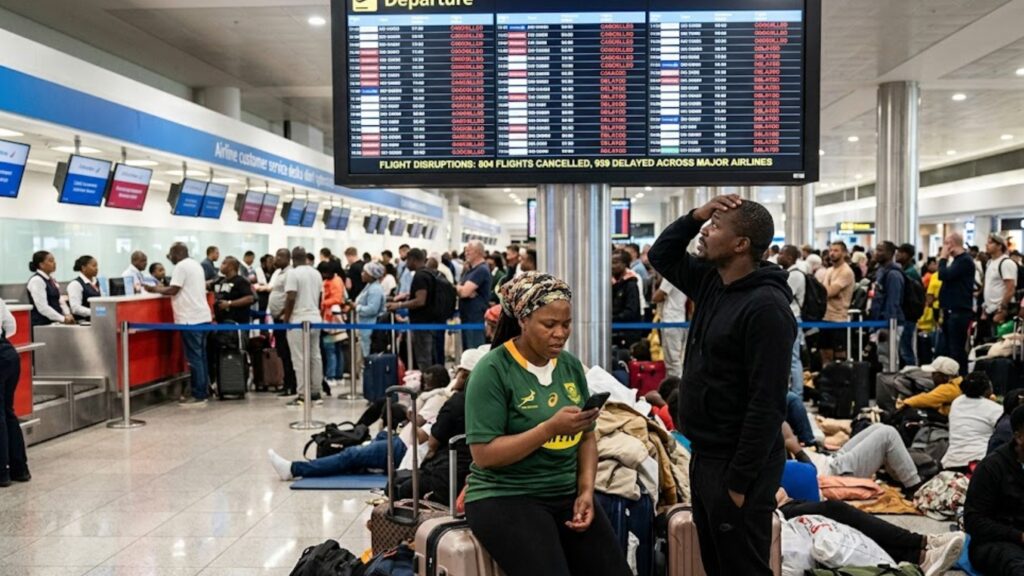
Following a sharp increase in aviation fuel prices connected to the worsening Middle East crisis, airlines have implemented a temporary fuel surcharge resulting in higher airfares for travelers in South Africa.
According to a statement from FlySafair, since the conflict began on February 28 airlines all over the world have had to absorb sharp increases in fuel prices in order to avoid passing them on to customers.
But according to FlySafair Jet A1 fuel prices at coastal airports in South Africa have increased by about 70% in just one week to the point where some of those expenses must be borne by passengers.
 SASSA Reveals Official March 2026 Grant Payment Schedule: Dates and Collection Order Explained
Consequently, starting on March 12 2026 the airline will implement a temporary fuel surcharge The airline anticipates that the disruption may be temporary, so the surcharge will only be applied to flights leaving on or before May 12, 2026.
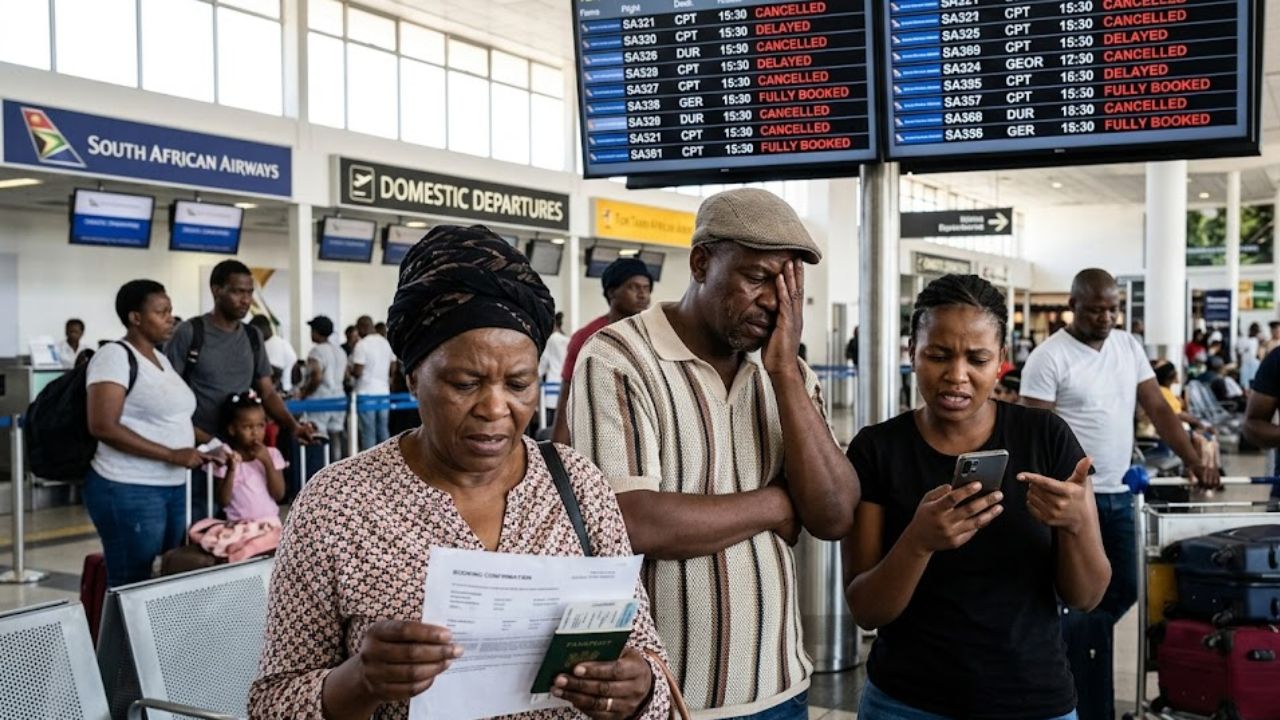
“To ensure fairness and transparency to our customers, we will be specifically itemizing this temporary dynamic fuel surcharge on all tickets,” FlySafair chief marketing officer Kirby Gordon stated.
According to the airline, the disruptions in the Middle East that have essentially closed the Strait of Hormuz a narrow shipping channel that normally transports about 20% of the world’s oil are primarily to blame for the price shock.
There has reportedly been a 70% to 80% decrease in shipments due to the collapse of tanker traffic through the waterway.
The world’s oil markets are extremely volatile as a result of this disruption Before declining slightly to about $87 per barrel, the price of Brent crude shot up above $100 But the price of aviation fuel has responded even more drastically.
The cost of Jet A1 fuel at coastal airports in South Africa has increased by about 70% in just one week, putting a heavy financial burden on airlines.
Between 50% and 55% of FlySafair’s direct operating expenses come from fuel The airline estimates that each Boeing 737-800 aircraft in its fleet will cost an additional R35,000 per flight hour at current prices.
What to anticipate
FlySafair stated that it has covered these expenses since the start of the crisis, but cautioned that continuing to do so would jeopardize the long-term viability of its low-cost business model.
The airline stated that it has historically refrained from directly passing on fuel price volatility to customers, in contrast to many international carriers that regularly modify ticket prices to reflect fuel costs.
Gordon stated, “We have no reasonable alternative due to the persistence and scale of these fuel costs.”

“We have decided to implement a clearly marked, temporary surcharge instead of raising fares generally or concealing expenses.”
He continued by saying that the strategy enables the airline to eliminate the surcharge once prices stabilize and lets passengers see precisely how much of their ticket price is related to the fuel shock.
Only flights leaving on or before May 12, 2026, will be subject to the surcharge, which will be periodically reviewed as jet fuel prices fluctuate.

According to FlySafair, the fee will change based on the length of the route to account for the fuel needed for each trip.
“To make sure the surcharge reflects the minimum required amount, our teams are modeling fuel prices airport by airport and reviewing potential tankering strategies,” Gordon stated.
“This is a measure to maintain service continuity while being upfront with customers; it is not a profit mechanism.”
FlySafair has confirmed that there will be no retroactive surcharge for passengers who have already booked flights.
However, the surcharge will be included as a separate line item on tickets for flights leaving on or before May 12 if reservations are made starting on March 12.
The surcharge may also be applied to customers who change their existing reservations to flights during that time.
FlySafair stated that it does not hedge its fuel purchases so it is vulnerable to abrupt spikes like the current one because it purchases fuel at current market prices.