In addition to significantly raising fuel costs for South African drivers, the ongoing conflict in the Middle East is predicted to raise the cost of air travel.
This is because Iran effectively closed the Strait of Hormuz, a vital oil and refined fuel shipping route.
In response to this development FlySafair, the largest airline in South Africa, has already announced a temporary increase in flight costs.
 NSFAS Funding Update 2026: More Than 1 Million Students Supported With New Eligibility Rules
In the most recent newsletter, Lisette Ijssel de Schepper of the Bureau for Economic Research discussed the significance of the Strait of Hormuz and how its closure will impact fuel and air travel costs.
According to Ijssel de Schepper, the Strait of Hormuz is one of the most significant energy “chokepoints” in the world and a narrow shipping channel.

About 20 million barrels of oil are transported through the Strait every day, mostly from Gulf producers like Saudi Arabia, Iraq, Kuwait, the United Arab Emirates, and Qatar, according to her. This corridor accounts for about 20% of the world’s oil supply.
However, Iran has effectively closed the Strait of Hormuz since the beginning of the US/Israel war against it by attacking oil and cargo ships that try to cross it.
According to Ijssel de Schepper, the closure of Hormuz currently removes about 16 million barrels of oil from the supply every day.
But the disruptions have affected more than just the oil supply they have also affected refined fuels petrochemicals, and fertilizer inputs.
She clarified that if the conflict and consequently the disruptions in the Strait of Hormuz continue, this has increased the risk of wider supply chain and food price pressures.
An economy class round-trip ticket from Sydney to London in April has increased by more than 80% in the last two weeks according to Bloomberg, demonstrating the impact of this on air travel costs.
Ijssel de Schepper stated that prices are rising quickly in South Africa as well.
FlySafair the largest airline in South Africa declared on March 11 that it would impose a temporary fuel surcharge to help it deal with the sharply rising cost of jet fuel worldwide.
FlySafair chief marketing officer Kirby Gordon stated, “This allows us to remove the surcharge once prices stabilize and gives customers full visibility into what they are paying for.”

The “real” suffering is still on the horizon.
Ijssel de Schepper clarified that because South Africa is a net importer it is especially susceptible to fuel shortages.
This implies that local petrol and diesel prices are directly impacted by rising global oil prices; a notable price increase of about R3.70 per litre is already anticipated for April.
But according to Ijssel de Schepper, this will have far-reaching effects that go well beyond the cost of gas for drivers.
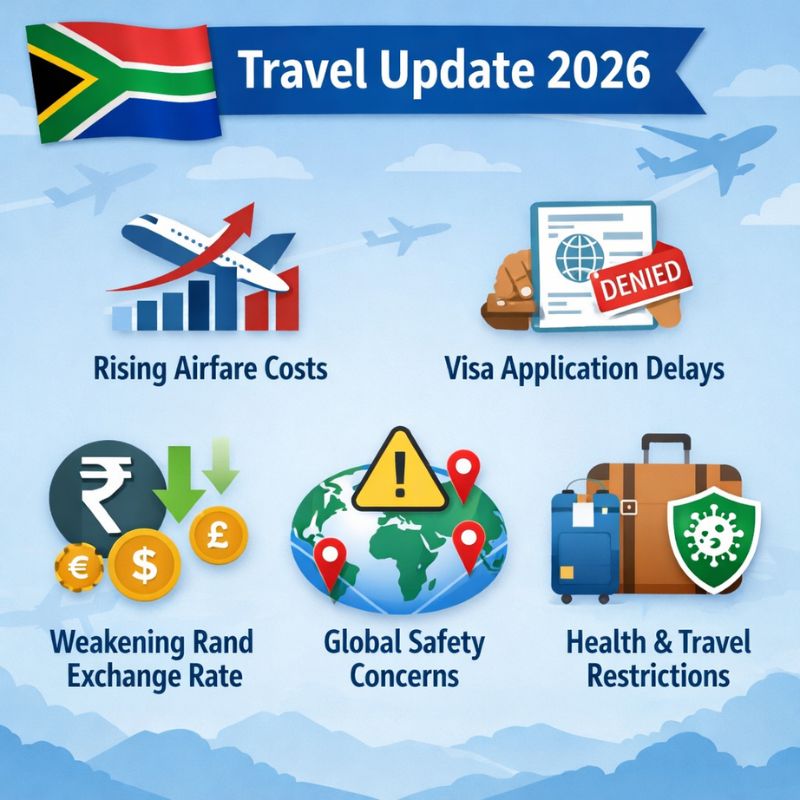
She cautioned that higher fuel costs push up transportation food and other consumer prices so-called second-round effects, adding to inflation.
“Oil shocks also tend to increase financial market volatility and weaken the rand, which amplifies inflation from imports.”
She clarified that short-term price fluctuations have a very slow effect on oil demand, meaning even small supply losses can trigger large price spikes.
Positively, she stated that markets can frequently absorb the shock through stock releases rerouted shipments, and temporary demand adjustments if the supply disruptions are brief.
But she cautioned that it will get harder to make up for the global supply shortfall if the Strait is effectively closed for weeks or months.
“The majority of the lost volumes cannot be replaced by alternative export routes, and strategic reserves are limited,” she stated.
Therefore, a protracted disruption would probably keep oil prices high for a longer period of time, increasing the risk of global inflation and impeding economic growth.
She stated that it seems possible to contain the oil crisis for the time being. “However, harvests may fail, leading to higher prices and shortages if fertilizers do not reach the farming areas at the appropriate time of the season.”
“The real pain may still come, even though all the attention is on oil because consumers or at least those with daily-adjusted prices feel it now.”