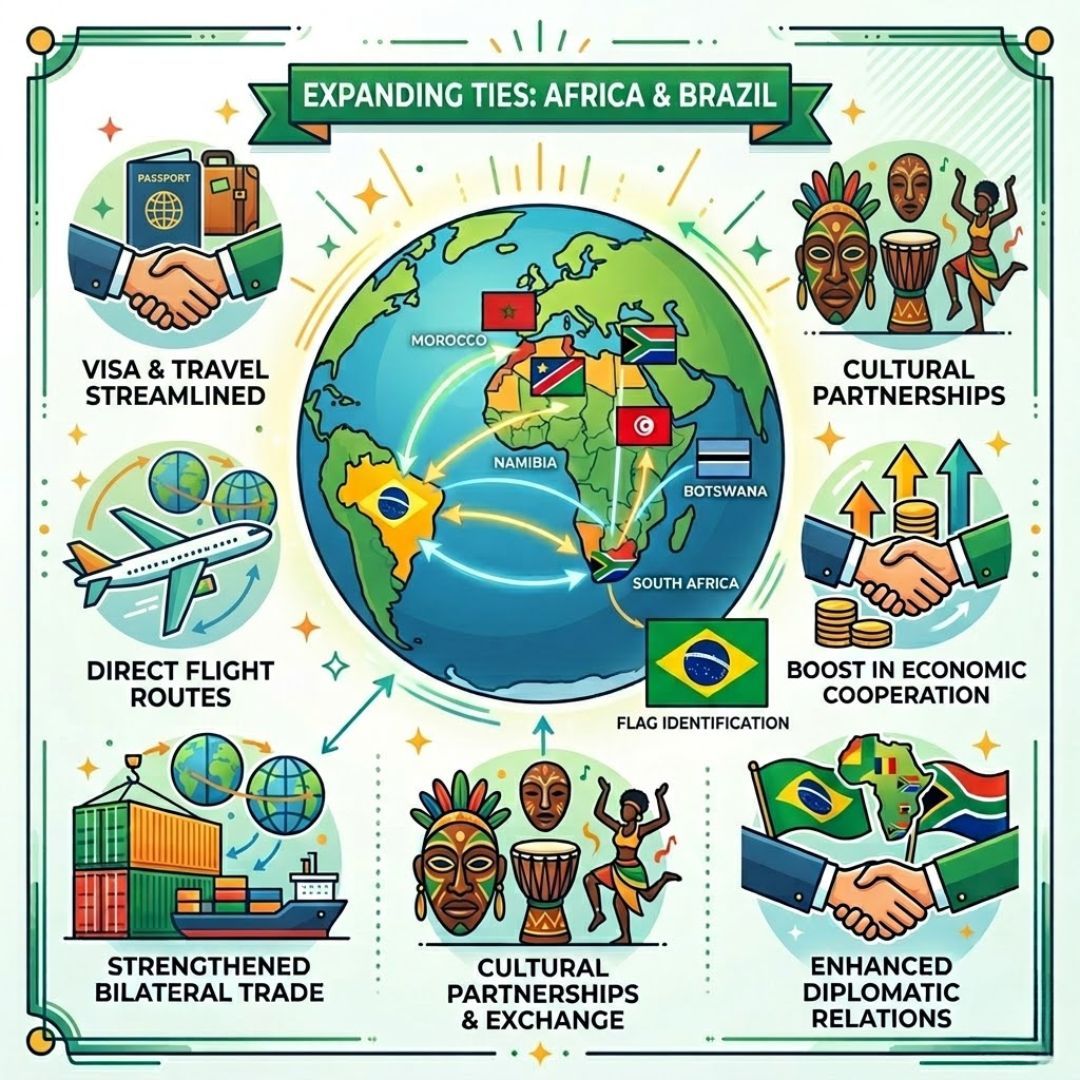
Beginning in March 2026, South Africans will be able to travel to Brazil without a visa, just like people from Morocco, Namibia, Tunisia, Botswana, and other African countries. This will change the way people travel, do business, and go on vacation between the two regions. This new policy will get rid of the need for visas before leaving, which will make it easier for South Africans to see Brazil’s natural beauty, go to business conferences, and trade. It will also strengthen Brazil’s diplomatic and economic ties with Africa. The change is expected to increase tourism, strengthen business ties, and create new ways for Brazil and its African partners to work together.
South Africa has been added to the list of countries whose citizens can now enter Brazil without a visa. This is a big step that will change travel, tourism, and business opportunities between Africa and Brazil. Starting in March 2026, South Africans with passports will be able to travel to Brazil for up to 90 days without needing a visa before they leave. This big change will not only make it easier for tourists to travel, but it will also create new and exciting opportunities for business travelers, conference attendees, and people who want to strengthen ties between the two countries.
Visa-free access to Brazil is a big step forward in the ongoing diplomatic and economic cooperation between Brazil and important African countries. South Africans can now go to Brazil without having to apply for a visa, which was required before March 7, 2026. The move puts South Africa in the same group as Morocco, Namibia, Tunisia, Botswana, and other African countries that can now take advantage of the visa exemption policy.

This new policy is expected to greatly increase tourism, business ties, and trade between Brazil and South Africa, as well as with other African countries. Let’s look at the whole picture of this exciting new development, including which countries will benefit from the new policy and how it will affect travel and trade between these two areas.
The Policy Change: What It Means for South Africa
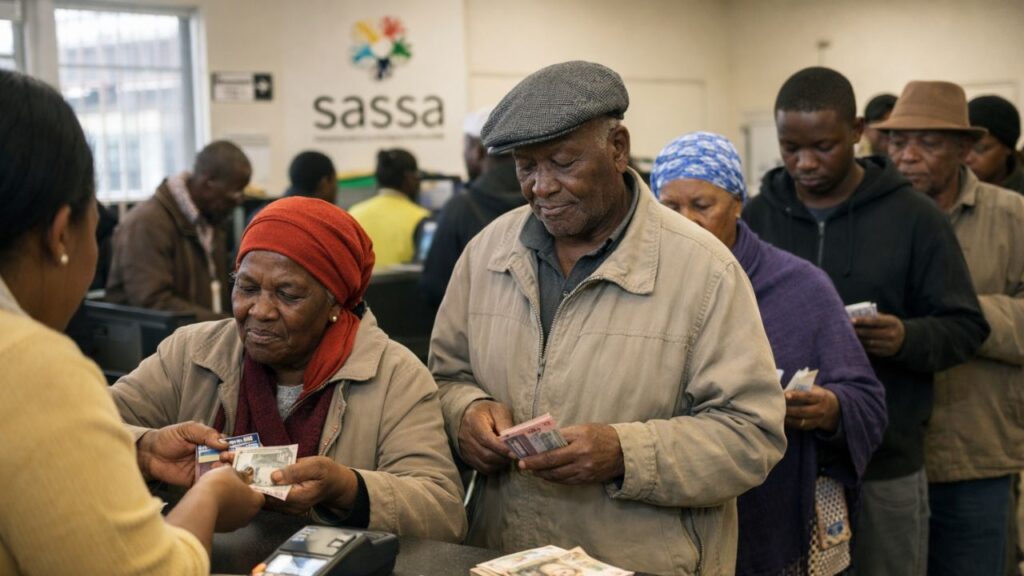
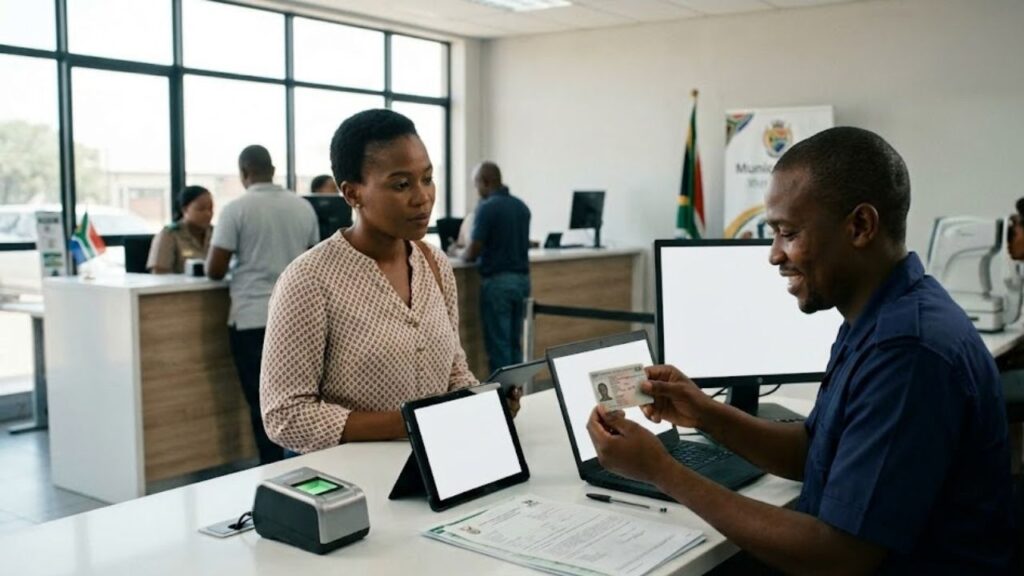
The biggest change in the policy is that South African citizens no longer need a visa. Before, South Africans had to get a visa to go to Brazil. This meant paying a fee of about R1,600 (US$85) and going through the process of getting the right paperwork before they could leave. South African passport holders can now book their flights to Brazil and go without having to worry about the long visa process.
This new visa waiver is good for short business trips, tourism, and short conferences. South Africans can now stay in Brazil for up to 90 days each calendar year. This makes the country even more appealing to both business and leisure travelers. The only things you need to do are show that your passport is valid for at least six months after you enter the country and that you can show proof of onward travel or accommodation if immigration officials ask for it.
Those who want to stay for more than 90 days or who want to work, study, or do something else besides tourism will still need to apply for the right visa. Even so, this visa-free policy for short visits is a big step toward making travel between South Africa and Brazil easier.
How This Change Will Help Other African Countries
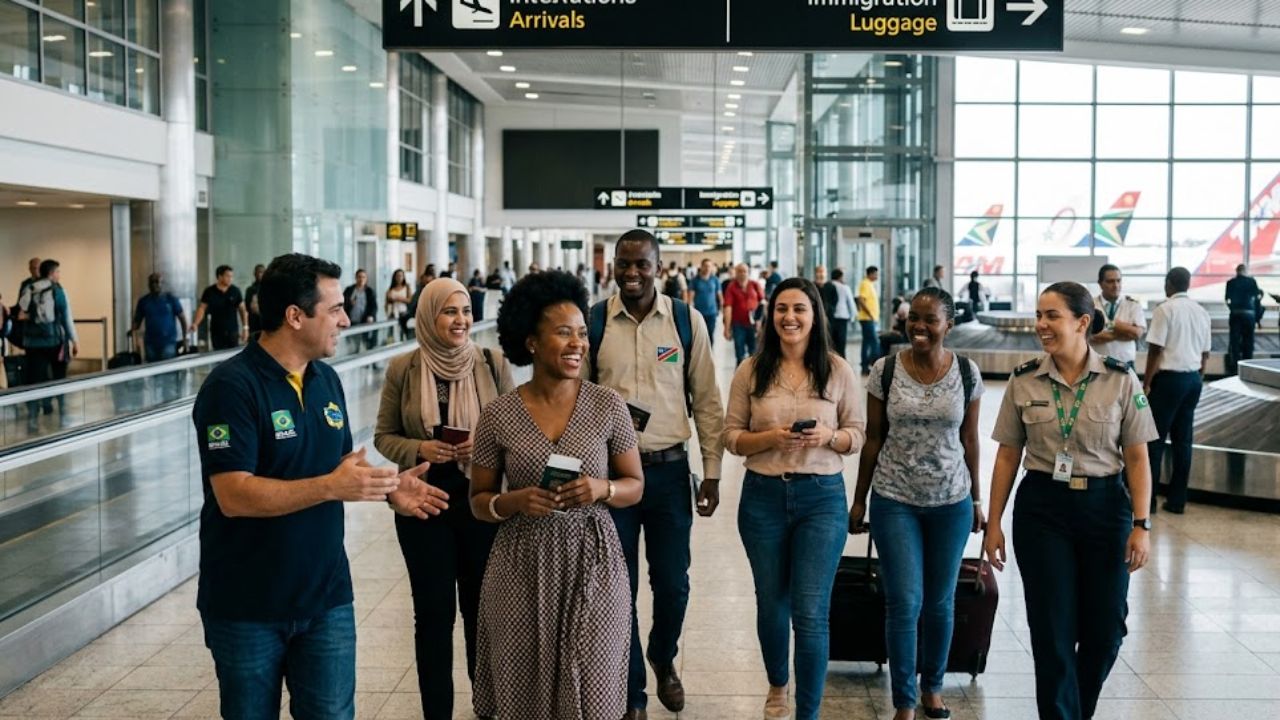
Brazil’s decision to drop the visa requirement is good for more than just South Africa. Brazil is also open to citizens of a few other African countries without a visa, which helps to strengthen the ties between Brazil and Africa. These are the African countries that already have or will benefit from this visa exemption:
Morocco
For a long time, Moroccans could travel to Brazil without a visa. Now, this rule applies to other African countries as well, such as South Africa. Like South Africans, people with Moroccan passports can go to Brazil for business or pleasure without a visa. This move also strengthens Morocco’s long-standing ties with Brazil, especially in trade, culture, and tourism.
Namibia
Namibia has also been given the right to visit Brazil without a visa for short stays. The visa exemption makes it much easier for Namibians to plan their trips to Brazil’s lively cities, beautiful natural sites, and business opportunities. Namibian travelers can now easily get to Brazil, whether they want to see the Amazon rainforest or go to an international conference in São Paulo.
Tunisia
Brazil’s visa waiver is also good for Tunisia. Holders of Tunisian passports can now go to Brazil without having to apply for a visa. This makes it easier for people to travel, do business, and share culture. This is part of Brazil’s larger plan to improve its ties with North Africa and the rest of Africa.
Botswana
Botswana is on the list of countries that don’t need a visa to travel to Brazil. It is known for its growing business sector and thriving tourism industry. The exemption will bring more tourists from Botswana to Brazil, where they can see the country’s rich cultural heritage, from Rio de Janeiro to the Amazon Basin.
Other African Countries
In the future, the visa exemption policy may also apply to other African countries. Brazil is still working to make it easier for people to enter the country, which means that other African countries, like Kenya, Nigeria, and Ghana, could soon be added to this list. Brazil has been working to improve its relationships with Africa in order to boost trade and tourism. The visa-free policy is a key part of this plan.
The Economic Effect: What This Means for Business and Tourism
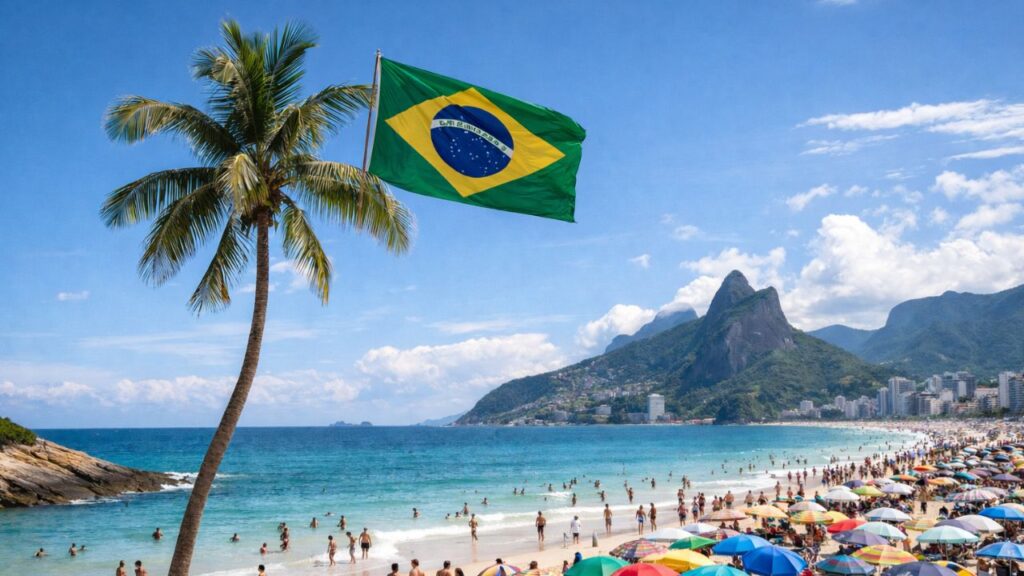
Both Brazil and South Africa will see big economic benefits from getting rid of visa requirements. There is no doubt that Brazil’s tourism industry will benefit from the rise in visitors from South Africa and other African countries. Brazil can expect more African tourists to visit its famous sights, such as the beautiful beaches of Rio de Janeiro, the lively culture of São Paulo, and the stunning scenery of the Amazon rainforest, now that travel is easier.

This visa exemption is a big deal for people who travel for work. Brazil has one of the biggest economies in Latin America, and São Paulo is a major business center. The visa waiver will make it easier for South African and other African businesspeople to go to trade shows, conferences, and business meetings in Brazil. This will lead to stronger economic ties between the two areas, which will lead to growth and cooperation in areas like agriculture, technology, energy, and infrastructure.
Corporate mobility teams that send employees to Brazil on short-term assignments on a regular basis can also expect faster and more efficient travel plans. These businesses can spend less time on paperwork and more time on business development because they don’t have to deal with visa paperwork.
More airline seats and connections
LATAM Airlines and South African Airways (SAA) are two of Brazil’s biggest airlines that are already getting ready for the expected rise in demand for flights between South Africa and Brazil. Airlines are adding more flights on the São Paulo–Johannesburg route because of this new visa exemption. This makes it easier for South Africans to travel to Brazil for business and pleasure.
This rise in airline capacity will make it easier for people to travel between the two countries, which will strengthen their economic and cultural ties even more. There are more flights between South Africa and Brazil, which will help tourism in both directions. More South Africans will go to Brazil, and more Brazilians will go to Africa.
Brazil’s efforts to build stronger ties with Africa
Brazil’s new visa-free travel policy for South Africa and other African countries is part of a larger plan to improve its diplomatic, economic, and cultural ties with Africa. Brazil is working to improve its position in the BRICS group of emerging economies. It is focusing on building partnerships with important African countries that are emerging markets with a lot of potential for growth.
Brazil is following the global trend of making travel easier and removing barriers to entry by getting rid of the visa requirement. Brazil has been trying to get more foreign investment and boost its tourism industry, which has been a big part of the country’s economy for a long time.
What will happen next with African travel to Brazil?
The new visa policy from Brazil may only be the beginning for South Africa, Morocco, Namibia, Tunisia, and Botswana, which are some of the first African countries to benefit from it. Brazil may want to make it easier for people from other parts of Africa to visit the country without a visa as more African countries become richer and more people travel to Brazil from those countries.
If a lot more South Africans come to Brazil, it’s possible that other African countries, like Nigeria and Kenya, could soon start talking about visa waivers with Brazil.
Brazil’s decision to let South African citizens and citizens of other African countries enter the country without a visa is a big step forward in the ongoing improvement of relations between Brazil and Africa. This change in policy makes it easier for tourists, businesses, and cultural exchanges to happen, which is great news for both travelers and professionals.
South Africa is about to become an even bigger player in the Brazilian market by joining Morocco, Namibia, Tunisia, Botswana, and other countries in being able to travel to Brazil without a visa. This will benefit both countries’ economies and cultures. As travel gets easier and more common, Brazil and Africa could work together and form partnerships in ways that are impossible to imagine.
Beginning in March 2026, South Africa, Morocco, Namibia, Tunisia, Botswana, and other African countries will be able to travel to Brazil without a visa. This will make travel, tourism, and business easier. This change in policy makes it easier for Africans to get into Brazil, which strengthens economic and cultural ties between the two regions.
This change in policy is good for both South Africa and Brazil because it will help tourism, business growth, and diplomatic relations between the two countries in ways that will last for years.