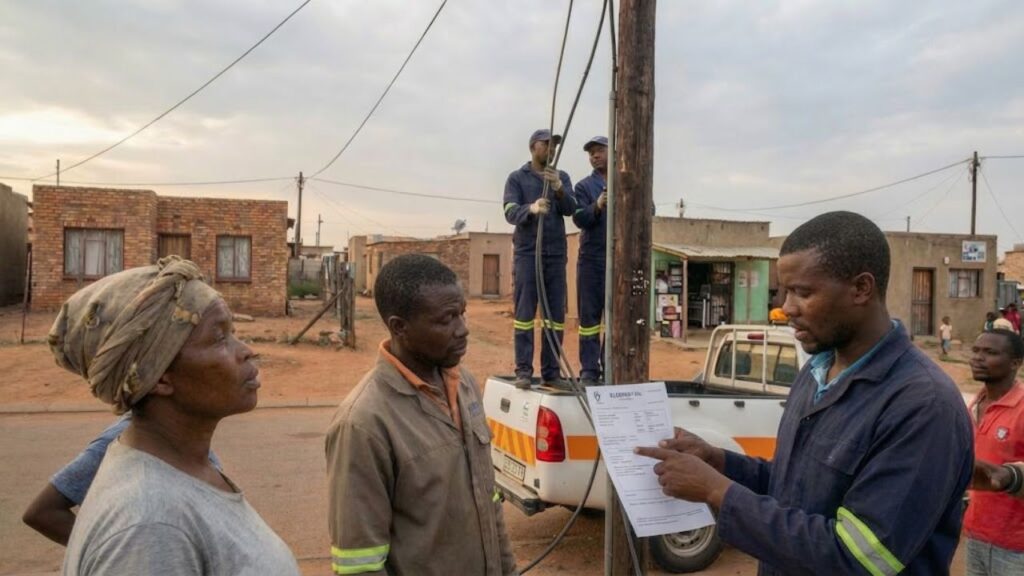
Eskom has no choice but to turn off the power in these 14 municipalities because they haven’t paid their bills. The power company said this week that formal consultation processes were going on. It is going after places that owe more than 18 months’ worth of debt.
Eskom has been able to fix the country’s load-shedding problem, but it still needs to get back R110 billion in unpaid debt. And the worst supporters of this are not people, but huge cities.
ESKOM WILL TURN OFF THE POWER IN 14 CITIES
Eskom will turn off the power. People who steal or don’t pay for electricity raise the prices for everyone else who does pay.

So, when might things happen if Eskom cuts off power? The official statement does not name any specific municipalities, except for Enoch Mgijima in the Eastern Cape. But it does say that all of the people who didn’t pay are in the provinces of Mpumalanga, Free State, North West, and the Eastern Cape.
Still, it’s not hard to look at past data in these provinces to find out who the worst offenders are. Although not officially confirmed, these are the towns and cities in the four provinces that have been on Eskom’s defaulter lists the most times:
MpuMalanga
- eMalahleni (Witbank) is South Africa’s worst offender, with a debt of R9.9 billion (November 2026).
- Lekwa (Standerton) has been a chronic defaulter since 2018, and Govan Mbeki has been flagged for unpaid bills several times.
- Msukaligwa (Ermelo)
- Steve Tshwete
FREE STATE
- Maluti-a-Phofung is said to owe R7 billion, making it the second-highest defaulter in the country.
- Matjhabeng (Welkom) is in debt for about R5 billion.
- Ngwathe (Parys) — always breaking the law
- Moqhaka (Kroonstad)
- Dihlabeng (Bethlehem) is in the North West.
- Ditsobotla (Lichtenburg) has been on the defaulter lists since 2015.
- The City of Matlosana (Klerksdorp) couldn’t pay off its R1.5 billion debt after going to court.
- Naledi—added recently
- *Eskom doesn’t name any of the above, but they are all historical defaulters.
NATIONAL TREASURY DEBT RELIEF PROGRAM
Eskom will turn off the power. A lot of cities applied for the debt relief program, but only 13% are meeting the requirements.
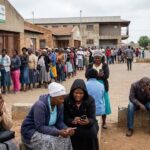
Also, all of the towns and cities are part of the National Treasury’s program to help with municipal debt. The power utility says, however, that they have not met a number of conditions and now “pose a serious financial risk.” Before it cuts power, it will send out notices under the Promotion of Administrative Justice Act (PAJA).
The power company says it needs to “tackle rising debt to protect the operational stability it has worked to rebuild over the past three years.” If they don’t get the money, Eskom will start cutting off power at certain times. And if people keep not paying their bills, the utility will start to limit supply to match the amount of money that is owed.
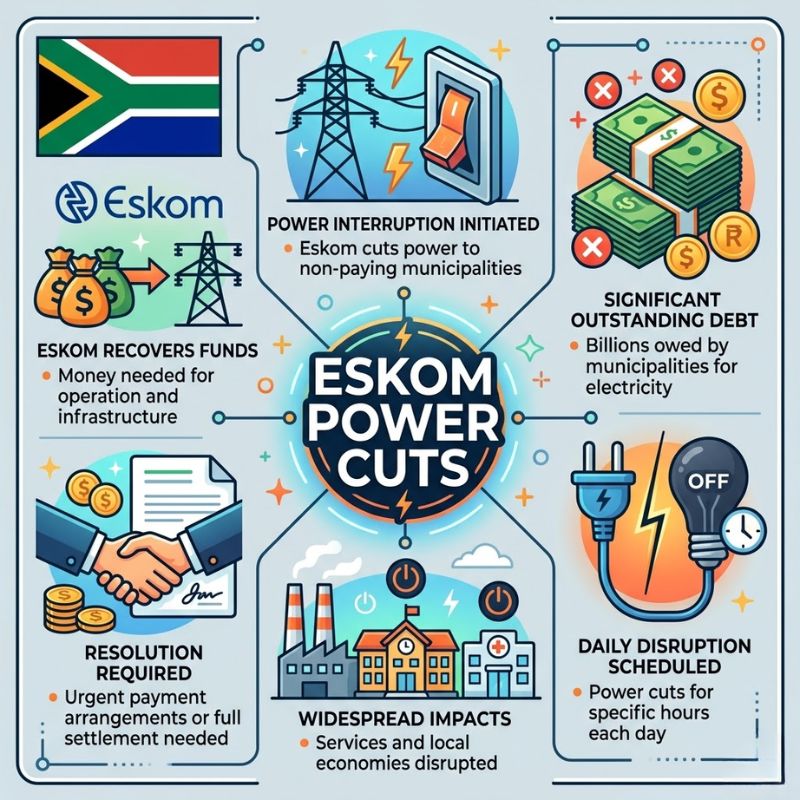
Eskom had to cut power, which is “unfortunate.”
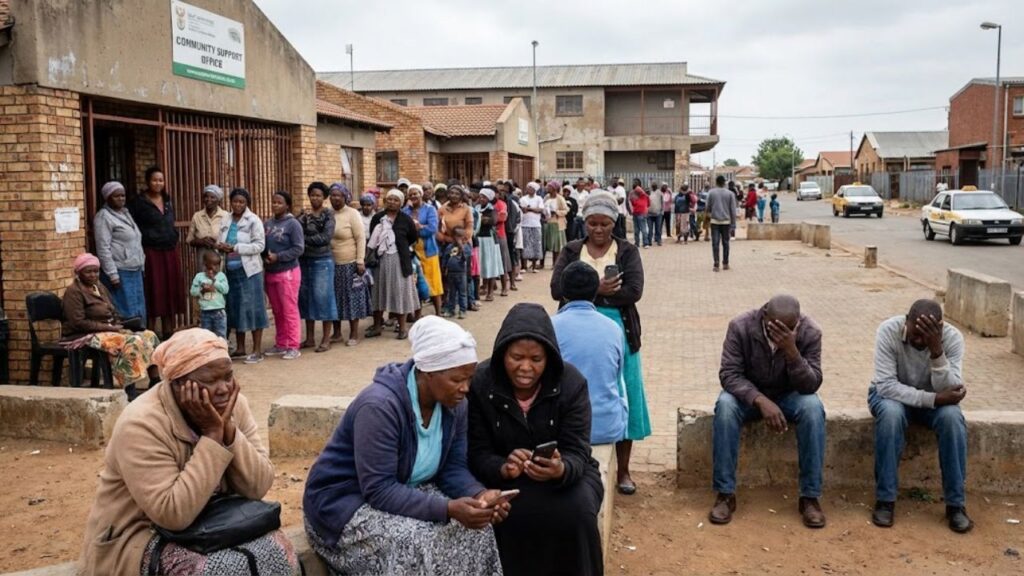
Eskom also knows that “communities may suffer as a result of this action.” But it says that getting electricity without paying for it is no longer an option. Reports say that only 24 of the 71 municipalities that signed up for the National Treasury debt relief program are still working on it. Because of this, 87% of the municipalities that were approved for the program are not meeting the requirements for debt write-offs.
But what do you think? Is it the fault of the cities? Or are the people who use the electricity but don’t pay for it to blame? Please share your thoughts in the comments below.