
South Africa is facing growing concerns over rising fuel and fertiliser costs as global tensions continue to escalate. Economists warn that the ongoing Middle East conflict is putting pressure on international energy markets, which directly impacts local prices. For a country heavily reliant on imports for both fuel and agricultural inputs, these developments could lead to increased production costs and higher food prices. As the situation unfolds, businesses and households in South Africa are bracing for potential financial strain in the coming months.
Fuel Price Surge in South Africa Linked to Global Tensions
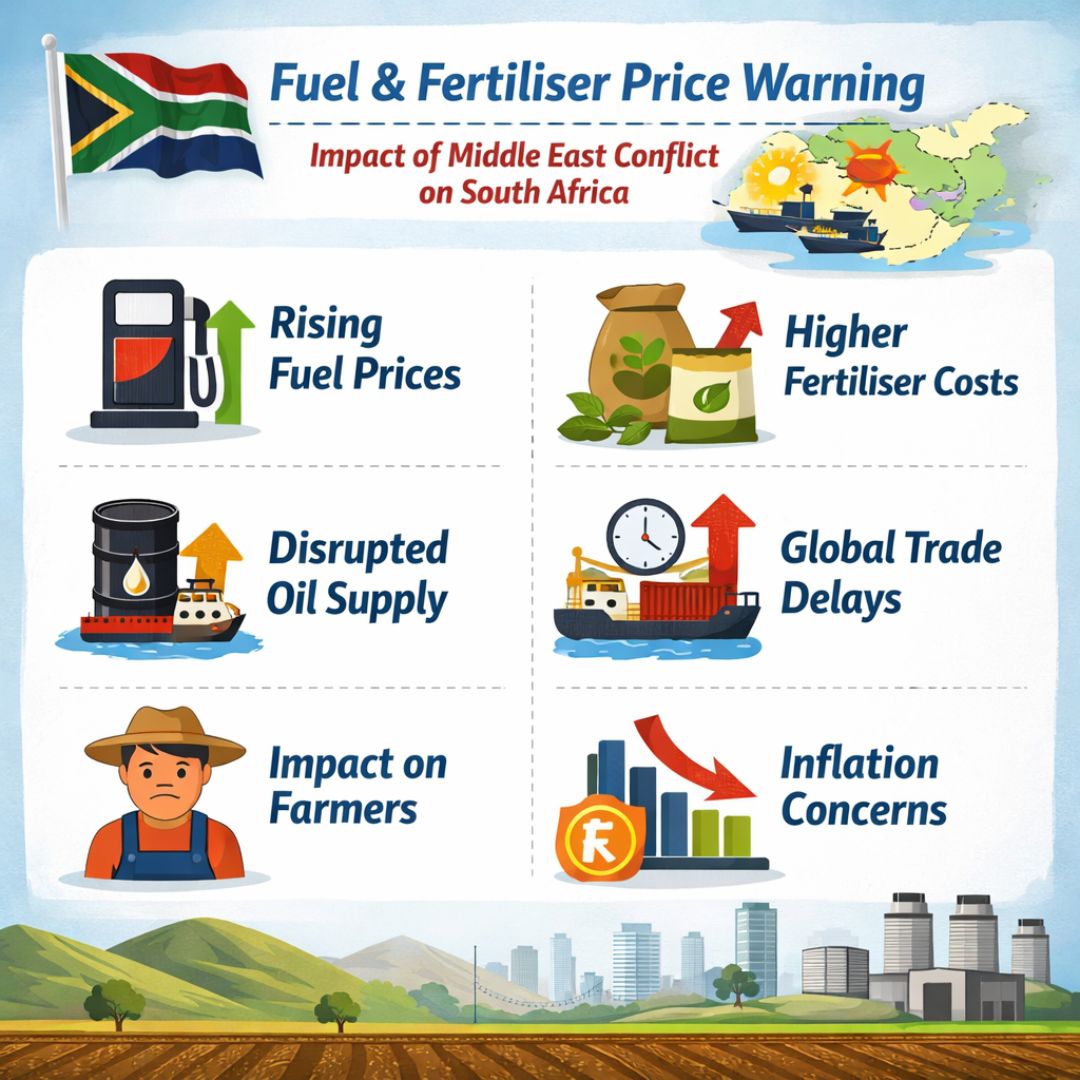
The recent spike in fuel costs across South Africa has been closely tied to instability in the Middle East, a region critical to global oil supply. Economists highlight how disruptions can quickly influence global oil supply, pushing up prices at a rapid pace. This has led to rising petrol costs locally, affecting transport and logistics industries. Consumers are already feeling the pressure of higher commuting expenses, while businesses struggle with increased operational burden. The ripple effect extends beyond fuel, impacting goods pricing and overall economic stability. With uncertainty still looming, experts caution that these trends may persist if geopolitical tensions are not resolved soon.
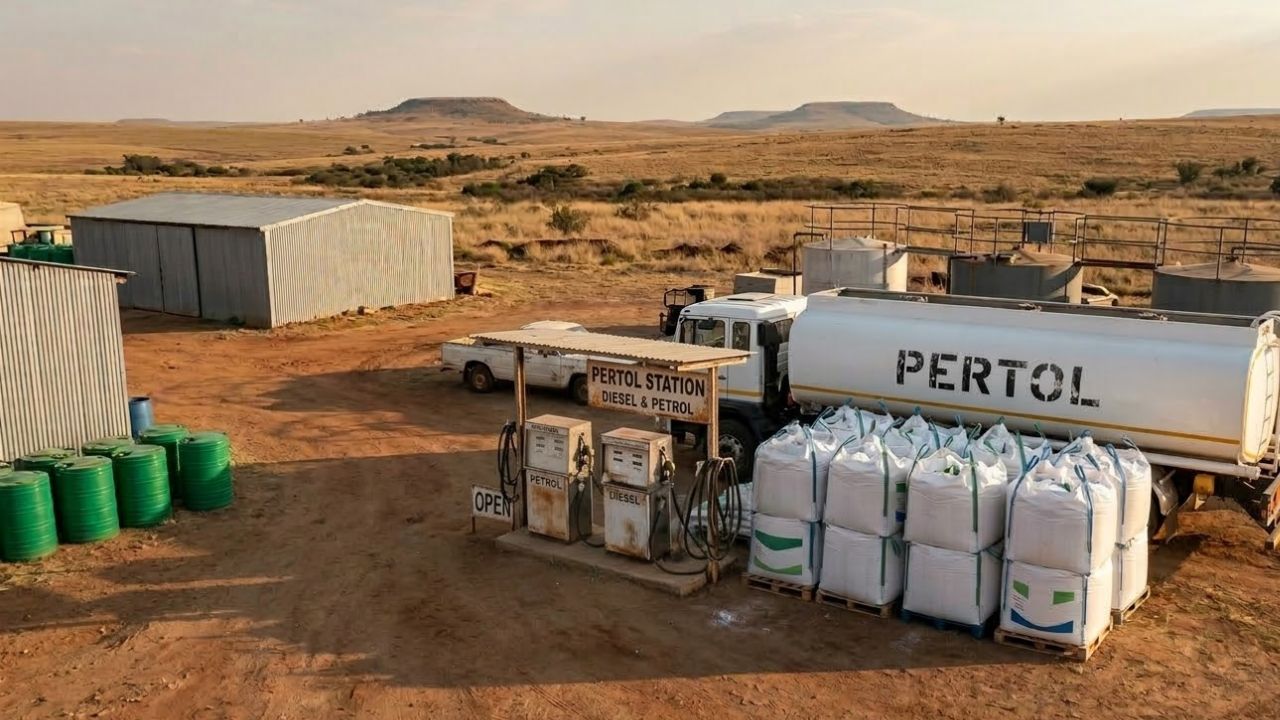
Fertiliser Price Warning and Agricultural Impact
Fertiliser prices are also under scrutiny, as the same geopolitical factors disrupt supply chains and production costs globally. South African farmers, who depend on imports, are facing costly farming inputs that threaten profitability. This could result in reduced crop yields if farmers cut back on usage to manage expenses. Additionally, the pressure of import dependency risks makes the sector vulnerable to further shocks. Economists warn that prolonged increases may lead to food price inflation, affecting consumers nationwide. As agriculture plays a vital role in the economy, any sustained increase in fertiliser costs could have long-term consequences for both food security and rural livelihoods.

Economic Outlook Amid Fuel and Fertiliser Price Hikes
The broader economic outlook for South Africa remains uncertain as fuel and fertiliser prices continue to rise. Analysts point to inflationary pressure trends that could strain household budgets and reduce spending power. Businesses may also pass on costs, contributing to consumer price increases across essential goods. The government may need to consider policy intervention measures to cushion vulnerable sectors. Meanwhile, experts emphasize the importance of economic resilience planning to navigate these challenges. While short-term solutions may offer relief, long-term strategies will be essential to stabilize the economy and reduce reliance on volatile global markets.
Summary and Future Outlook
In summary, the warning over fuel and fertiliser prices in South Africa highlights the deep connection between global conflicts and local economies. The Middle East situation has exposed supply chain vulnerabilities that can quickly disrupt pricing structures. As both sectors face rising costs, the risk of economic slowdown concerns becomes more pronounced. Policymakers, businesses, and consumers must adapt to changing market dynamics while seeking sustainable solutions. Ultimately, proactive planning and diversification could help mitigate long-term financial impact, ensuring stability even during periods of global uncertainty.
| Factor | Impact Area | Current Trend | Possible Outcome |
|---|---|---|---|
| Fuel Prices | Transport Costs | Increasing | Higher consumer prices |
| Fertiliser Costs | Agriculture | Rising | Reduced crop output |
| Global Conflict | Oil Supply | Unstable | Market volatility |
| Inflation | Households | Growing | Lower purchasing power |
| Government Policy | Economic Support | Under Review | Potential relief measures |
Frequently Asked Questions (FAQs)
1. Why are fuel prices rising in South Africa?
Fuel prices are increasing due to global oil supply disruptions linked to Middle East tensions.
2. How do fertiliser costs affect food prices?

Higher fertiliser costs raise farming expenses, which can lead to increased food prices.
3. Will the price increases continue?
Prices may remain high if geopolitical instability and supply disruptions persist.
4. What can the government do to help?
The government can introduce subsidies or policies to reduce the financial burden on consumers and farmers.