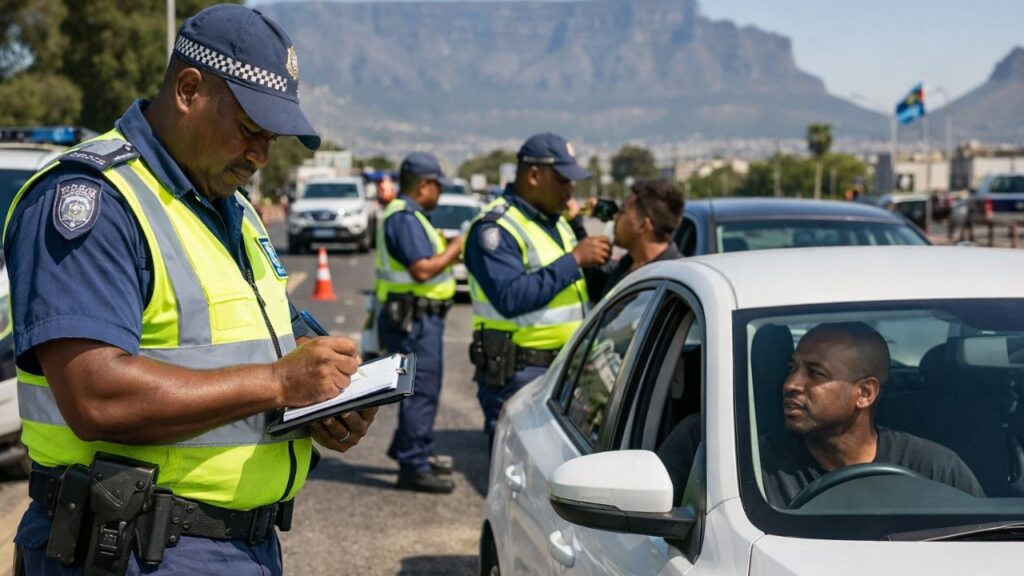
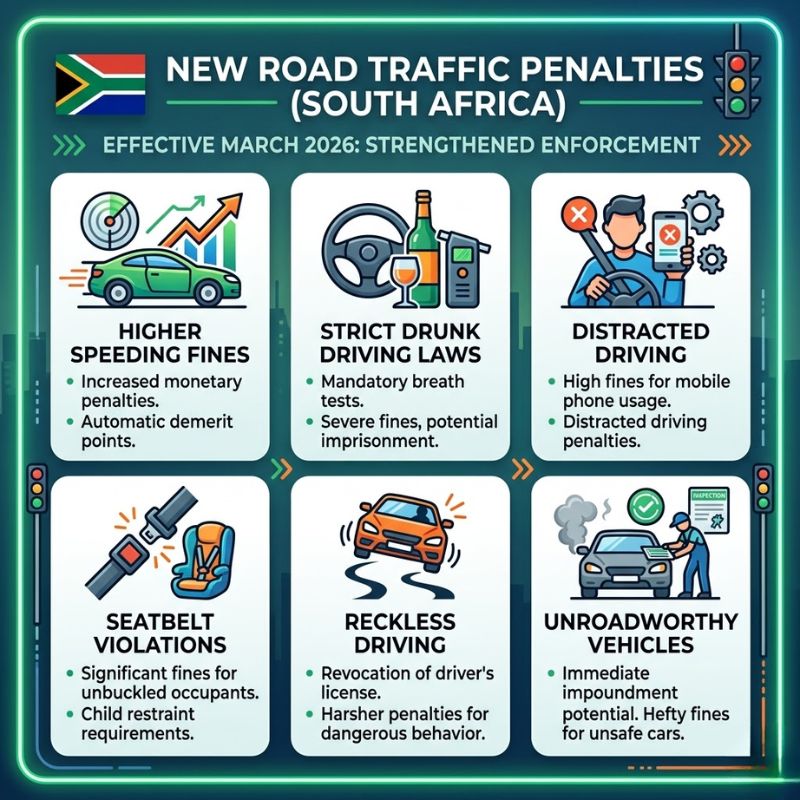
In March 2026, the government of South Africa will put in place stricter national road penalties that will have a big effect on drivers all over the country. This new plan is meant to make the roads safer and cut down on traffic violations by raising the fines for certain offenses. Many minor traffic violations that used to have little effect will now have big fines thanks to stricter enforcement. This change in how road penalties are handled will make people follow road safety rules more closely, which will be good for both drivers and pedestrians.
More Severe Punishments for Violations with Few Cars
Starting in March 2026, the new enforcement measures will mean that people who break traffic laws that used to be small will have to pay more in fines. People who speed in low-traffic areas park in the wrong place, or don’t signal will no longer be able to get away with it. The government wants to make people more aware of how dangerous it is to ignore these small violations drivers. Drivers who break these rules could have to pay a lot of money, and the fines could even double for people who do it more than once. The government wants to change how drivers act and cut down on accidents caused by “minor violations” by making the laws stricter.
How Stricter Fines Affect Road Safety
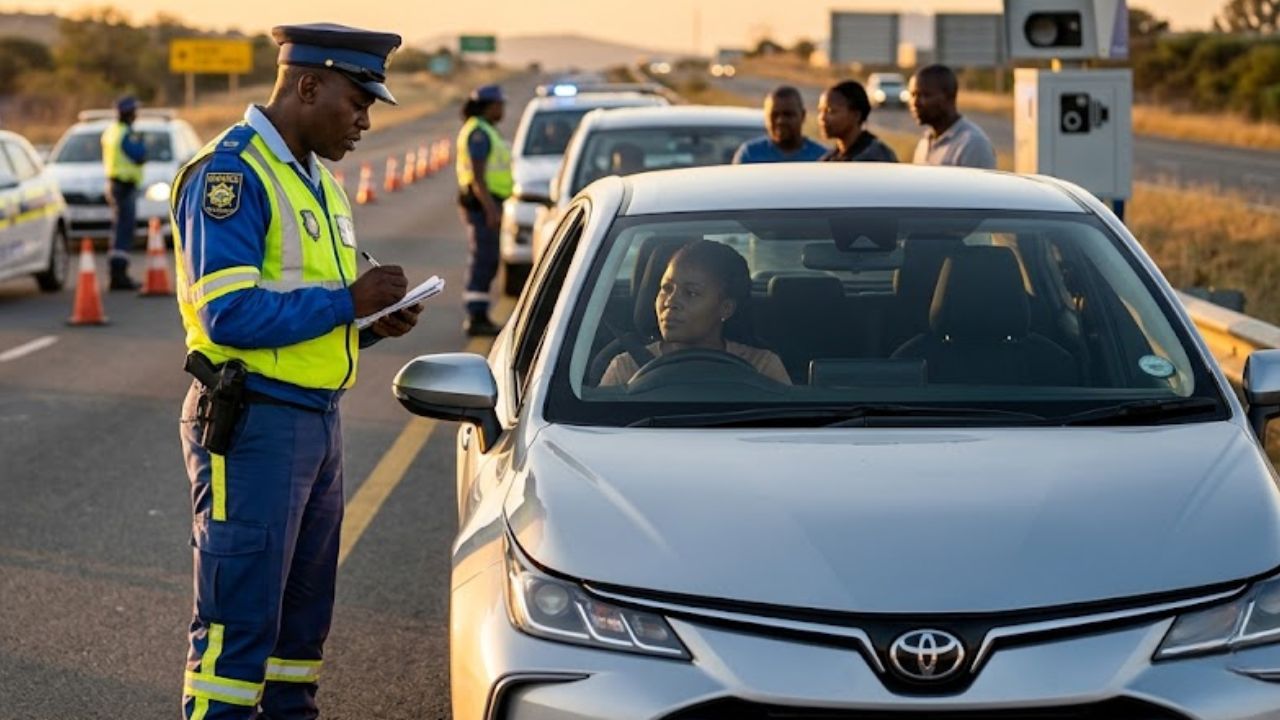
The higher fines that will go into effect in March 2026 are a direct response to growing worries about road safety authorities. Authorities want to stop people from driving carelessly by making the penalties harsher. This includes low-traffic violations like running red lights or ignoring stop signs. These kinds of things may seem small, but they add to the number of accidents and deaths. Studies have shown that harsher punishments often make people drive better because they are more careful to avoid costly fines. This change is also part of a larger effort to lower the number of deaths on the road and make all roads in the country safer for everyone.

How the Public Reacted to Stricter Fines and How They Changed
People have had different reactions to the new fines. A lot of people agree with the goal of making roads safer, but some say the fines might be too harsh, especially for small offenses. How well drivers understand the link between these increased fines and their safety affects how the public reacts. To make the change go more smoothly, the government has started campaigns to teach drivers why they should follow traffic laws some. Some people, on the other hand, say that public education should come first to make sure that people understand and follow the rules better. Drivers need to get used to these changes or they could end up paying a lot of money for “common mistakes.”
New Road Penalties Summary
The changes to national road penalties in March 2026 are a big step toward making roads safer and making drivers act better. The government wants to send a clear message that even small crimes will be taken seriously by raising the fines for low-traffic violations. The focus on public safety and education will be very important in making sure that these stricter rules lead to long-term improvements in road safety. Drivers will need to pay close attention to traffic laws in order to get used to these new fines, but the end goal is to make the roads safer for everyone.
| Violation Type | Previous Fine | New Fine (March 2026) | Repeat Offender Fine |
|---|---|---|---|
| Speeding in low zones | $50 | $100 | $150 |
| Parking violations | $30 | $60 | $90 |
Common Questions (FAQs)
1. Who can get the new fines?
All drivers who break the law in low-traffic areas will face the new penalties.

2. How will the new punishments be carried out?
The new fines will be easier to enforce with the help of traffic cameras and more police patrols.
3. Are there any exceptions to the fines?
If there are good reasons for the violation, the fines may be lower for some of them.
4. Will these punishments make the roads safer?
The goal is to lower the number of accidents by making driving safer by giving out harsher punishments.