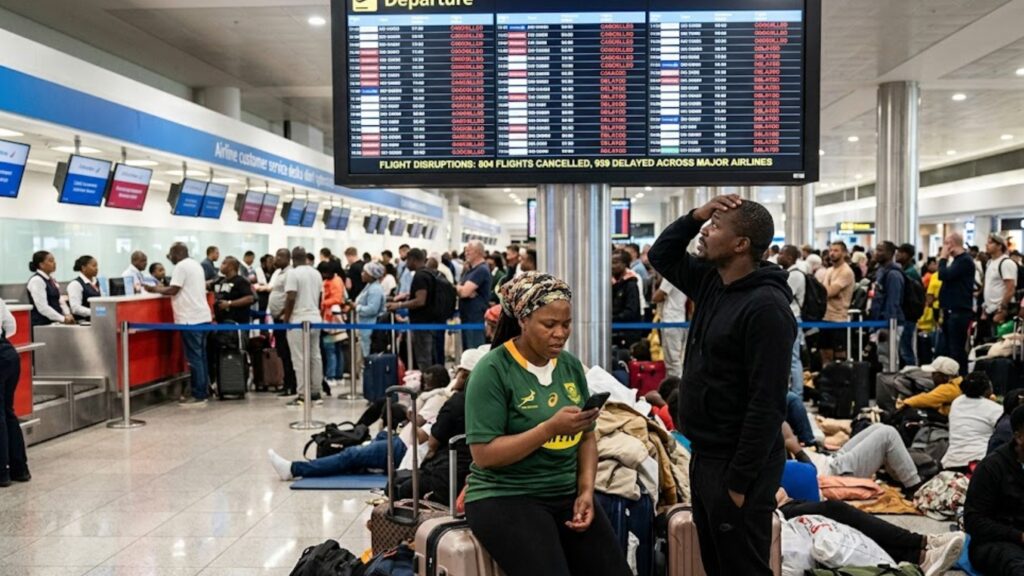
With 804 cancellations and 939 delays reported at Dubai International Airport (129 cancellations, 256 delays), Abu Dhabi International Airport (54 cancellations, 32 delays), Istanbul Sabiha Gökçen International Airport (11 cancellations, 83 delays), and Istanbul Airport (14 cancellations, 112 delays), King Abdulaziz International Airport (29 cancellations, 158 delays) in Jeddah, King Khalid International Airport (37 cancellations, 198 delays) in Riyadh, and King Fahd International Airport (35 cancellations).
Qatar Airways 245 cancellations, 13 delays Gulf Air (162 cancellations), Royal Jordanian (20 cancellations, 18 delays), Flynas (115 delays), Flyadeal (105 delays), Saudia (16 cancellations, 88 delays), Pegasus Airlines (10 cancellations, 57 delays), and Turkish Airlines (75 delays) are the airlines most impacted. Emirates, Lufthansa, British Airways, Air France, IndiGo, SpiceJet, KLM, and Air China are among the other well-known airlines that are having problems.
Cities in Qatar the United Arab Emirates, Bahrain, Turkey, Saudi Arabia, and Jordan, including Doha, Dubai, Abu Dhabi, Muharraq, Istanbul, Jeddah, Riyadh, Dammam, and Amman, are impacted.
 South Africa Disability Grant 2026: R2,310 Payment Amount, Dates and Eligibility Explained
Updated today Ten major airports in the Middle East and Turkey reported 939 delays and 804 flight cancellations.
With 278 canceled flights, Hamad International Airport in Doha had the most cancellations.
With 256 delayed flights, Dubai International Airport experienced the most delays.
There were 172 cancellations at Bahrain International Airport, suggesting a concentrated disruption pattern.
There were 198 delays at King Khalid International Airport in Riyadh, which is among the highest numbers in the area.
Disruptions were also reported by major international airlines, such as Emirates, Lufthansa, British Airways, Air France, and Air China.
A significant portion of the delays were caused by the airports in Jeddah Riyadh and Dammam, Saudi Arabia.
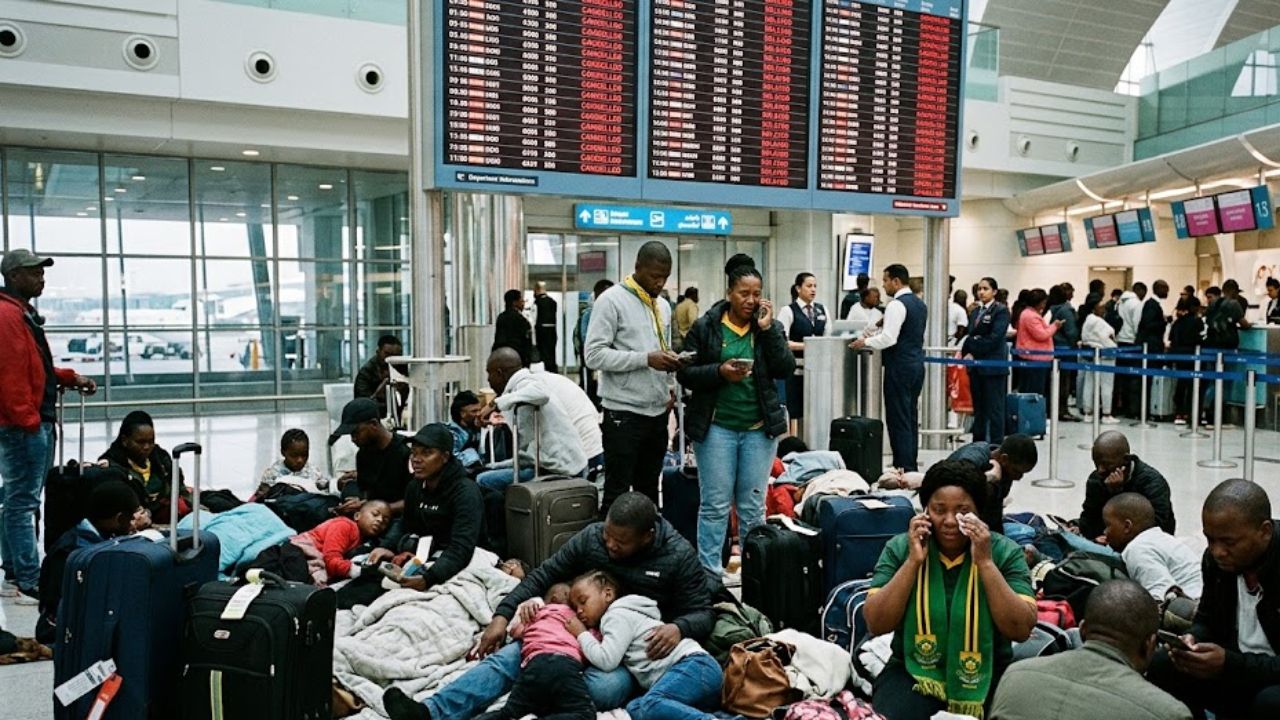
Airports Most Affected
With 278 canceled and 13 delayed flights, Hamad International Airport in Doha recorded the most cancellations in the Middle East. A large portion of the disruption was caused by Qatar Airways flights.
Dubai International Airport Among the impacted hubs
Dubai International Airport had the most delays, with 256 delays and 129 cancellations.
International Airport in Abu Dhabi
Several regional airlines, including IndiGo and Gulf Air, were among those impacted by the 54 canceled and 32 delayed flights at Abu Dhabi International Airport.
Bahrain International Airport
There were 172 cancellations and no delays at Bahrain International Airport in Muharraq, most of which were related to Gulf Air operations.
Sabiha Gökçen International Airport in Istanbul
Pegasus Airlines was responsible for a sizable portion of the 83 delays and 11 cancellations at this Istanbul airport.
Airport in Istanbul
There were 112 delays and 14 cancellations at the bigger Istanbul Airport, many of which involved Turkish Airlines operations.

International Airport of King Abdulaziz
Several regional and international airlines were impacted by the 29 cancellations and 158 delays at King Abdulaziz International Airport in Jeddah.
Airport at King Khalid International
Riyadh had one of the highest delay totals of any airport on the list, with 37 cancellations and 198 delays.
Airport at King Fahd International
There were 59 delays and 35 cancellations at King Fahd International Airport in Dammam, with IndiGo being one of the airlines that experienced multiple cancellations.
Queen Alia International Airport
There were 28 delays and 45 cancellations at Queen Alia International Airport in Amman, with Royal Jordanian flights accounting for a large percentage of the disruptions.
Airlines Most Affected by Delays and Cancellations of Flights
Airways of Qatar
With 245 canceled and 13 delayed flights, Qatar Airways had the highest number of cancellations, mainly impacting operations at Hamad International Airport and other regional hubs.
Gulf Air
Disruptions at Bahrain International Airport and several airports in Saudi Arabia were the main cause of Gulf Air 162 cancellations.
Royal Jordanian
Flights at Queen Alia International Airport in Amman experienced 20 cancellations and 18 delays, according to Royal Jordanian.
Flynas
With 115 delayed flights across several hubs, including Riyadh and Jeddah, Flynas experienced severe delays at Saudi airports.
Flyadeal
There were 105 delays for the Saudi low-cost carrier flyadeal, particularly at the airports in Riyadh Jeddah and Dammam.
Saudia
Saudi Arabia reported 88 delays and 16 cancellations impacting numerous domestic and international flights throughout the country.
Airlines Pegasus
Pegasus Airlines reported 57 delays and 10 cancellations mostly related to operations at Istanbul Sabiha Gökçen Airport.
Turkish Airlines
Turkish Airlines contributed significantly to regional delay totals with 75 delays mostly at Istanbul Airport.
What Can Affected Travelers Do?
- real-time flight status updates check airline websites or mobile apps.
- confirm rebooking or other flight options get in touch with the airline directly.
- more time for security or check-in get to the airport early.
- operational updates keep an eye on airport announcements and official social media accounts.
- travel documents and booking references handy in the event that your schedule changes or you need to rebook.
- flexible travel arrangements if there are connections think about flexible travel arrangements
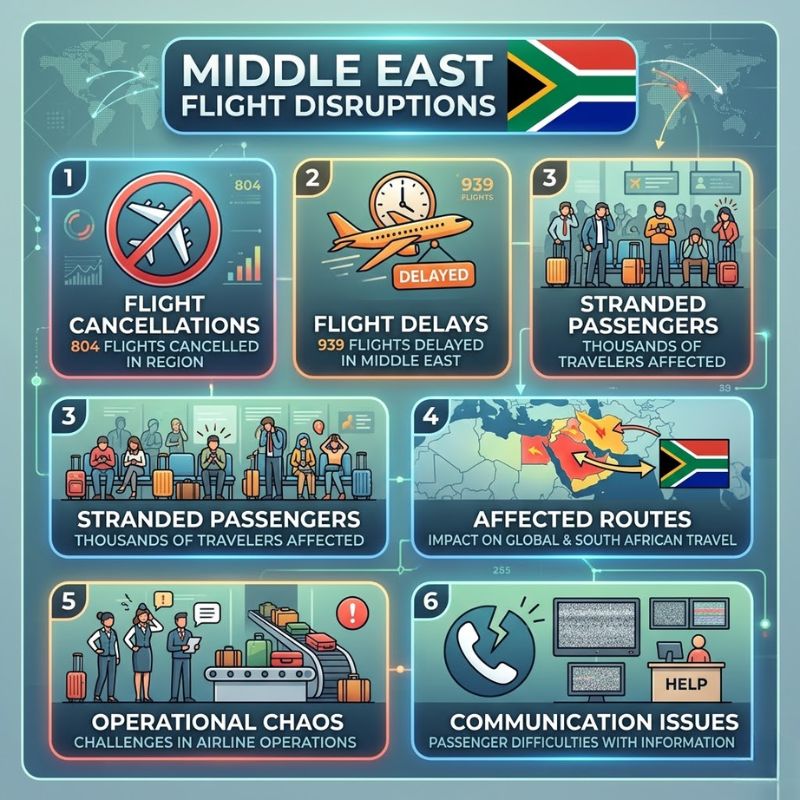 An Overview of Cancellations of Flights
The extent of operational difficulties affecting air travel today is demonstrated by flight disruptions in the Middle East in Doha, Dubai, Abu Dhabi, Muharraq, Istanbul, Jeddah, Riyadh, Dammam, and Amman. While Bahrain International Airport in Muharraq saw a significant wave of cancellations, airports in Doha, Dubai, Riyadh, and Jeddah recorded exceptionally high disruption numbers.
Along with well-known airlines like Emirates, Lufthansa, British Airways, Air France, IndiGo, and KLM, major airlines affected include Qatar Airways Gulf Air, Saudia, Pegasus Airlines, Royal Jordanian, and Turkish Airlines. Travel throughout Qatar, the United Arab Emirates, Bahrain, Turkey, Saudi Arabia, and Jordan has been impacted by these disruptions, which have been dispersed throughout major aviation hubs in Doha, Dubai, Abu Dhabi, Muharraq, Istanbul, Jeddah, Riyadh, Dammam, and Amman.
Passengers passing through Qatar the United Arab Emirates, Bahrain, Turkey, Saudi Arabia, and Jordan may experience schedule changes as airlines and airports continue to manage schedules in Doha Dubai Abu Dhabi, Muharraq, Istanbul, Jeddah, Riyadh, Dammam, and Amman.