Ordinary South Africans are advised not to panic, but if rising global oil prices continue, South Africa is on the verge of an economic shock situation.
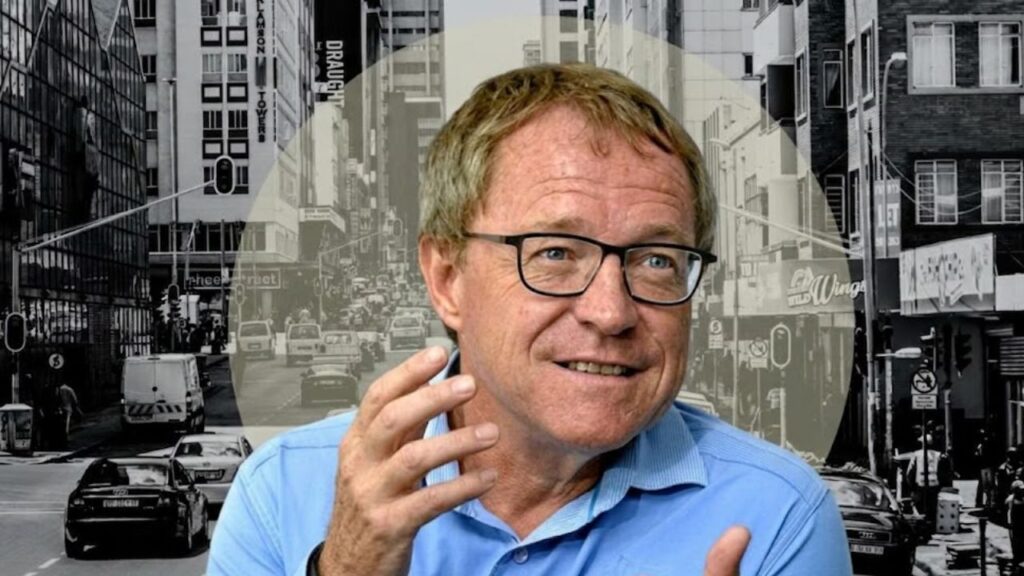
Dawie Roodt chief economist and director of Efficient Group issued this serious warning, cautioning that the nation is still largely dependent on imported fuel supply and is susceptible to disruptions in the global fuel supply.
The escalating conflict with Iran has caused oil prices to soar over the last two weeks, sending shockwaves through international markets.
This is due to the fact that the conflict is interfering with shipping across the Strait of Hormuz, a vital international trade route that transports about one-fifth of the world’s oil supply.
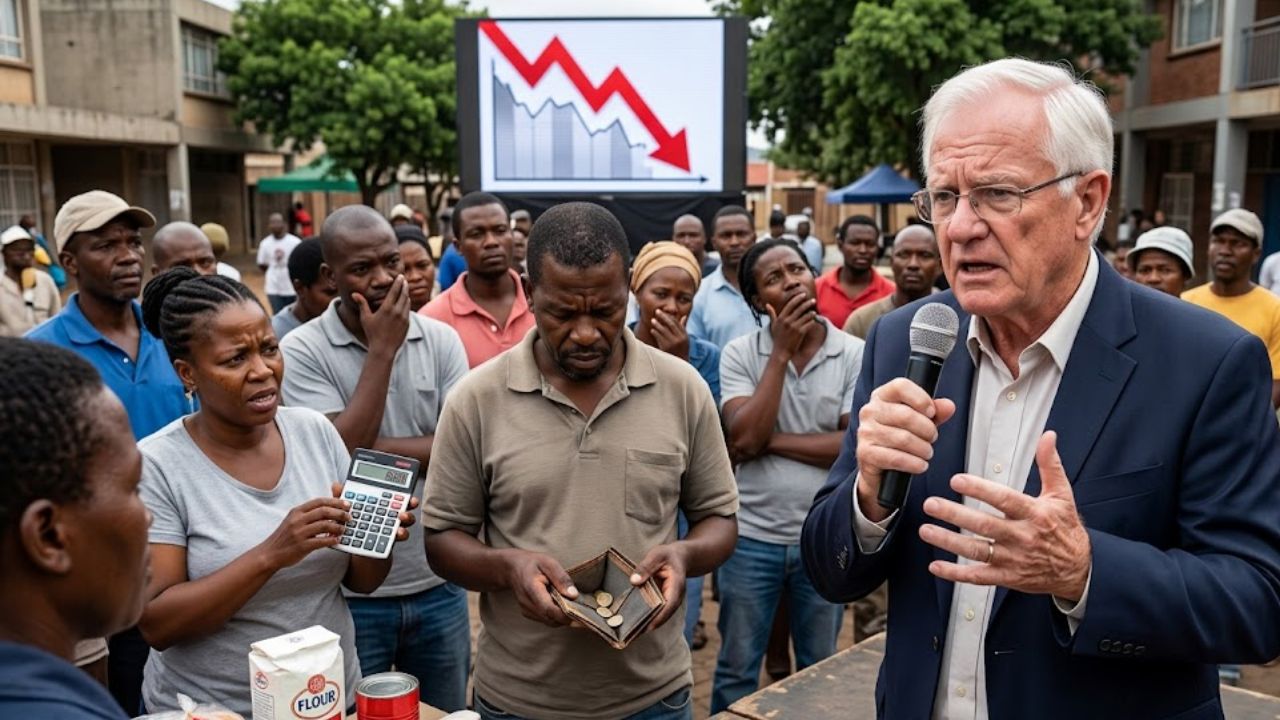
The consequences could be severe for South Africa. In a recent interview, Roodt stated that the crucial question is not only how high oil prices rise, but also how long they stay high.
It’s not just oil, of course. The rand’s exchange rate and other factors, like the cost of fertilizer, will also increase, he added.
However, the level of the oil price is not really the question here. If we just discuss the price of oil, the question is how long it will stay high.
He cautioned that even if oil prices began to drop, the local economy would still be shocked by a brief increase period. But a protracted period of high prices would make matters much worse.
“Even if it returns to $70 now for example, there will be a shock to the South African economy as it is,” Roodt stated.
“However, the impact on the South African economy will be more severe the longer it remains above $100 above $120, and possibly even above $150 levels.”
Because it imports about 90% of its oil needs, South Africa is especially vulnerable to disruptions in global supply and price spikes worldwide.
Industry participants are already cautioning about sharp increases in the price of fuel and other commodities, he continued.
“I’m speaking with some professionals in the field, and they’re discussing the evident sharp rise in the cost of gasoline and diesel. But the potential for supply shortages is more worrisome, he said.
Additionally, they are discussing the potential for shortages. For example, if we just run out of diesel, that will also be a big issue nationwide.
Avoid panicking.
Diesel directly contributes to a number of vital sectors of the economy, making it especially vulnerable to price shocks.
The problem is made worse by South Africa’s heavy reliance on road transport systems. He stated, “We put a lot of stuff on the roads, and it’s also very important in agriculture.”
Higher diesel prices consequently swiftly find their way into important industries’ cost structures quickly.
According to Roodt, “it tends to sort of linger around the price increases once it becomes part of the cost structure of those industries.”
The wider economy will probably be impacted, especially by rising inflation pressures.
According to Roodt, it will take several months for the effect on consumer prices to become apparent. “We’re going to see a significant impact on various prices, but it probably will take about two months or so,” he stated.
The current rate of inflation is roughly 3.5%, but it may soon increase further. “We’re going to see inflation at about 4% or even higher in two months, for example, if the oil price stays at $100 for another month.”
This would also have an impact on monetary policy and probably put an end to any plans to lower interest rates soon.
“I have no doubt that they won’t lower rates. I had previously predicted that this year’s cut would be two times 25 basis points by the Reserve Bank. Roodt stated, “They won’t do that.”
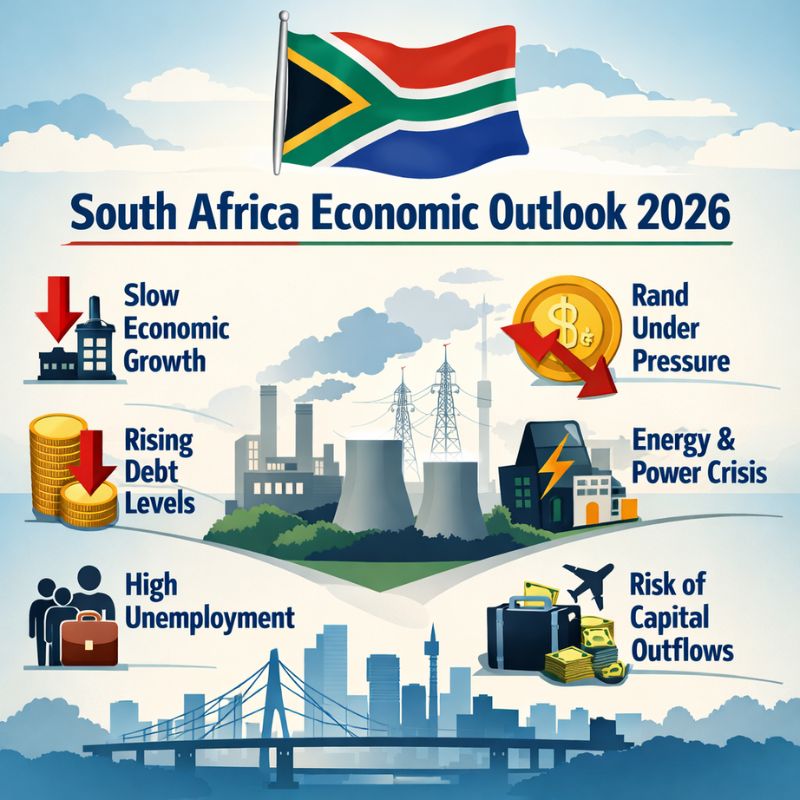
Government growth projections and fiscal plans would be threatened by the worsening of the overall economic outlook.
“We’re not going to see the 1.6% economic growth that the Minister of Finance had in his budget, given the current oil price and the potential for an increase in interest rates,” Roodt stated.
“That implies that the debt figures and the deficit will all go in the wrong direction.”
He continued by saying that there is no longer any chance of a sovereign credit rating upgrade in the near future now.
“I believed that the fiscal accounts would stabilize two weeks ago. Roodt stated, “I believe the Minister of Finance had a reasonable budget, but I’m not so sure anymore.”
He remarked, “I’m really struggling to find a little silver lining here.” But he advises regular South Africans not to panic.
“Don’t get too worked up over this. “Stick to your plans and get a good financial advisor,” Roodt advised.
He emphasized the inherent volatility of financial markets. “Keep in mind that the financial markets frequently do this. They constantly go up and down,” he remarked.