In order to improve the energy sector’s long-term stability, dependability, and transparency, significant changes to South Africa’s electricity regulations will begin in 2026. The country intends to establish a modern electricity system that will enable more efficient competition, so the upcoming regulations will bring about changes to homes, businesses, and municipal operations.
Reasons for Updates to Electricity Regulations
The government creates these adjustments in order to address persistent issues with the power supply that put the electricity industry in financial jeopardy and necessitate new regulations. In order to strengthen regulatory control and reduce operational waste that has led to price increases and service disruptions in previous years, the authorities intend to increase investment through their updates to the electricity rules.
New Electricity Supply Structure
The new framework creates a completely new system that regulates the production, transmission, and consumer distribution of electricity. By allowing more independent power producers to participate, the revised framework lessens dependency on a single supplier. In addition to fostering the development of renewable energy and establishing flexible electricity distribution operations, the market transformation will improve competitive conditions across the electricity sector.

Modifications That Impact Families
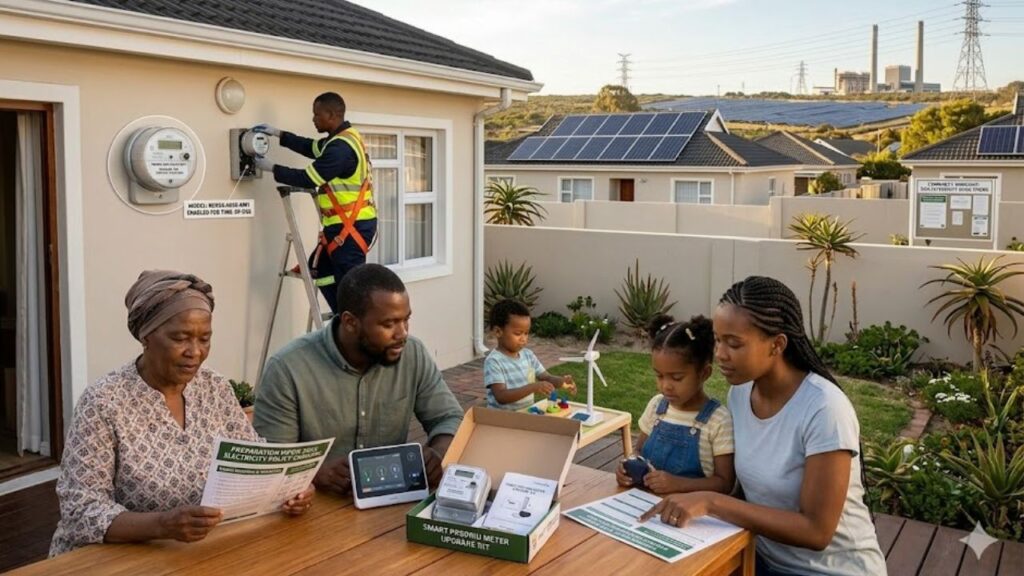
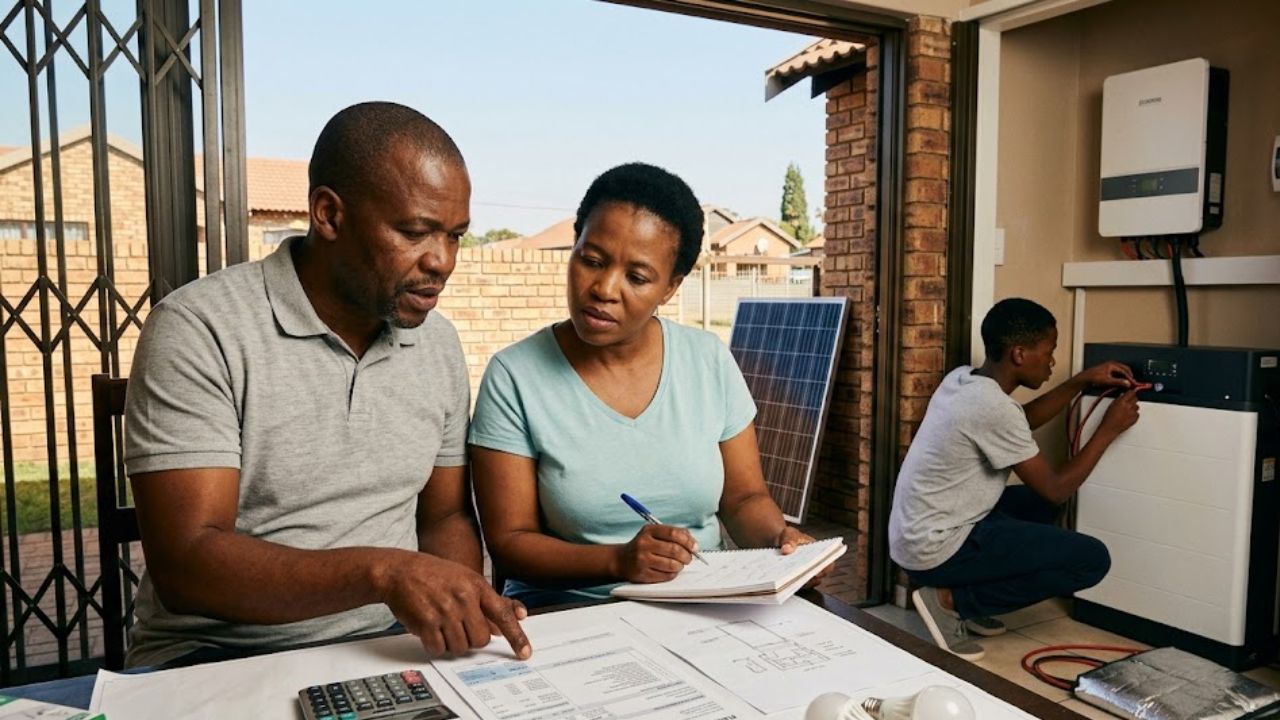
In addition to requiring the installation of sophisticated metering systems, the new regulations will give households more transparent billing systems. Every home will need to have a registered meter installed because the impending change will do away with unregistered connections and informal electricity sharing. By removing illicit connections and offering precise billing systems that uphold consumer rights and safety standards, the organization hopes to create safer environments.
Billing and Metering Changes for Electricity
The forthcoming modifications to electricity billing procedures will improve billing operations’ accuracy and transparency. Through comprehensive reports that both prepaid and postpaid users can access, the new system provides improved charge information. In order to improve dispute resolution procedures, the authorities created new procedures that allow clients to report billing issues and get prompt assistance.

Solar Energy and Small-Scale Production
The expansion of home and small-scale solar systems is encouraged by the new electricity regulations. In order to facilitate a legal grid connection, homeowners and businesses installing solar panels will be encouraged to formally register their systems. The strategy preserves grid safety and operational standards while promoting the growth of clean energy.
What Locals Need to Do Right Now
Residents must inspect their home’s electrical systems, verify the status of their meter registration status, and stay informed about new rules that will be implemented in 2026. In order to avoid future issues and complications, people who wish to install solar energy systems should become familiar with the registration process.
Getting Ready for the New Electricity Environment
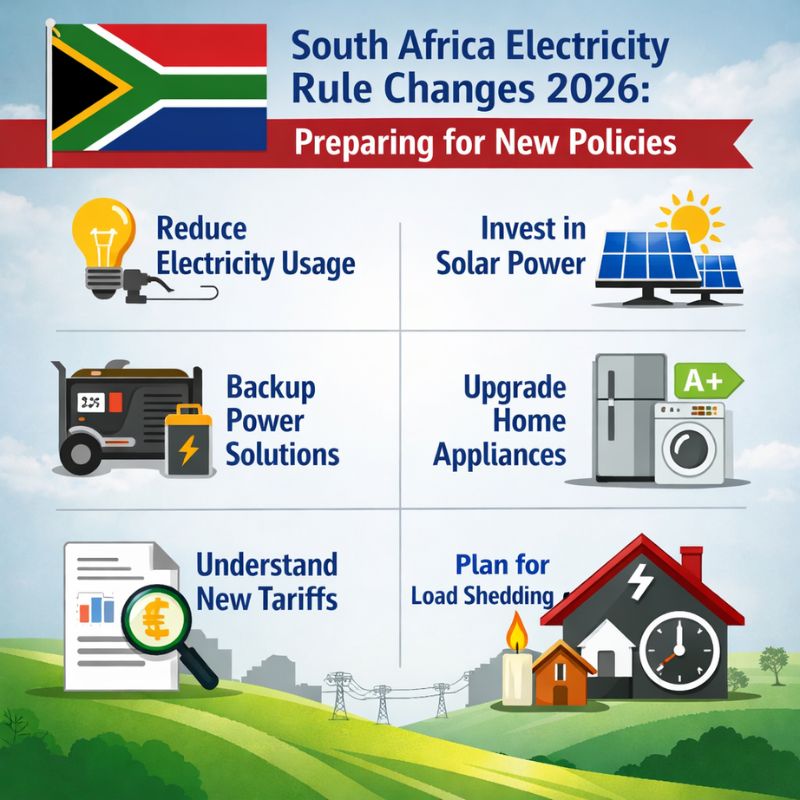
Organizations will need to modify their operations in order to implement the planned changes which aim to create a more reliable and sustainable electricity system. Throughout 2026, businesses and households will be able to maintain operational continuity without unforeseen disruptions thanks to the advance knowledge of new regulations and the planning measures that follow.