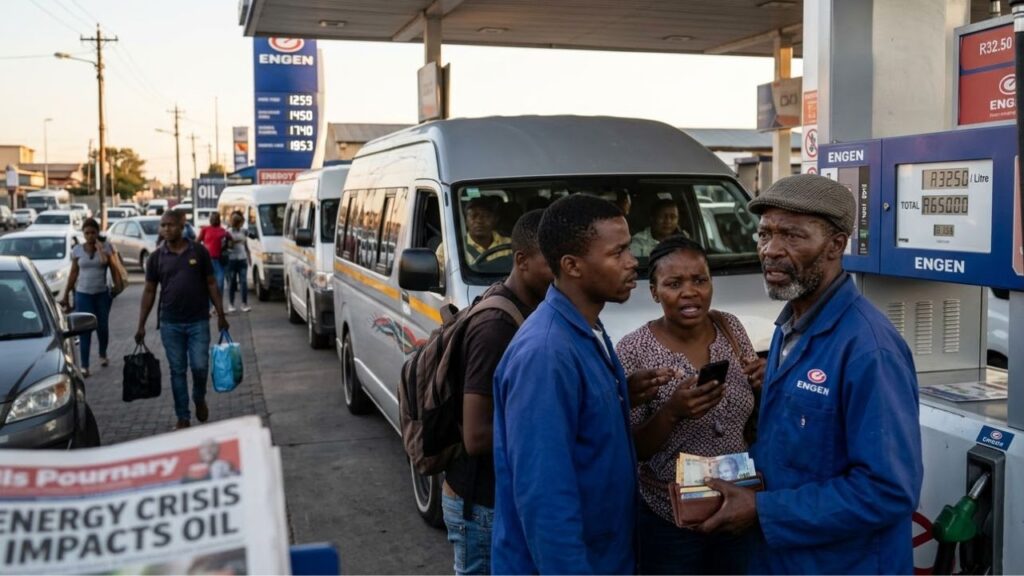
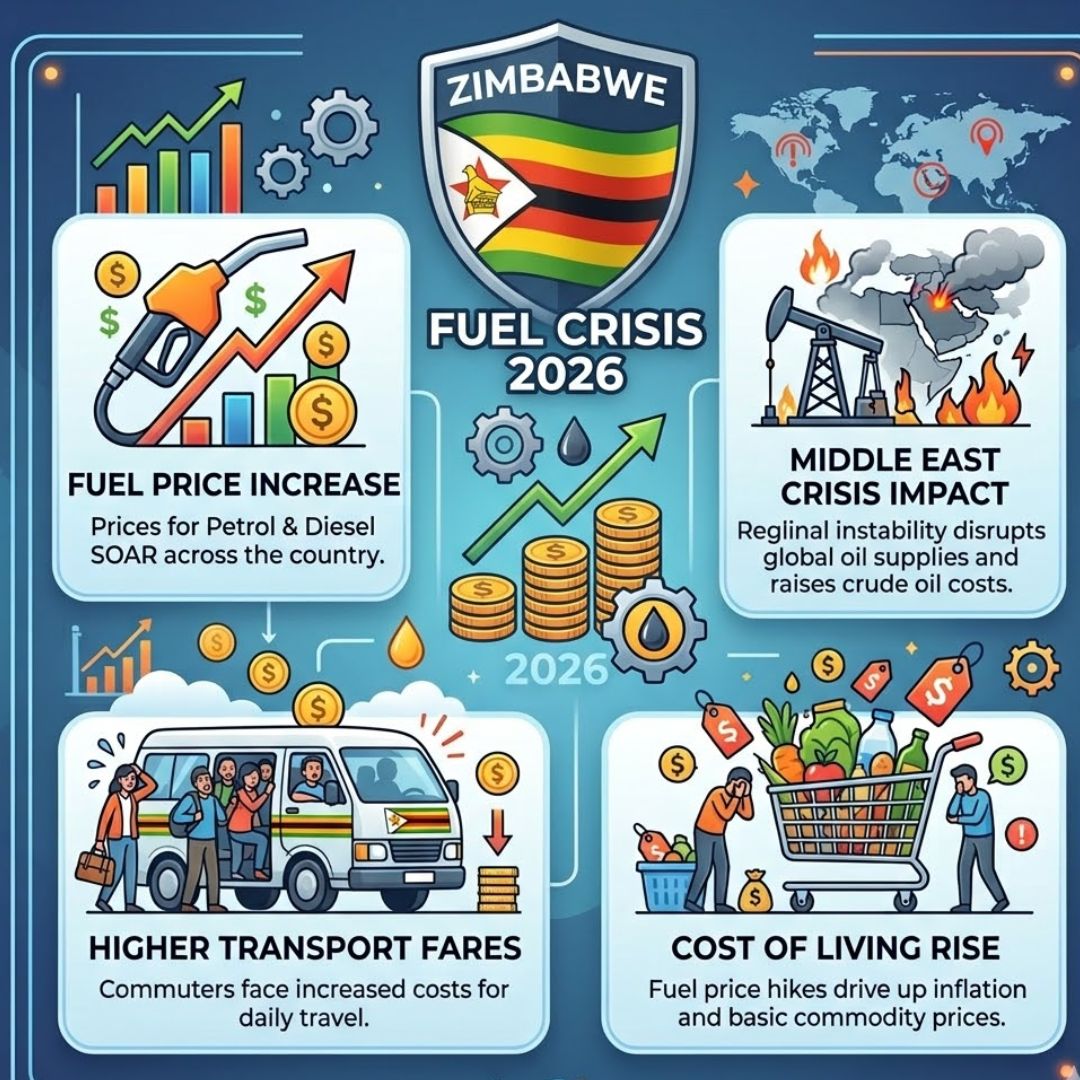
Zimbabwe is facing renewed economic pressure as fuel prices surge in 2026, largely influenced by ongoing tensions in the Middle East. The increase has placed a significant burden on everyday commuters who already struggle with rising living costs. As global oil markets react to instability, Zimbabwe’s fuel-dependent transport system feels the ripple effects immediately. From urban workers to rural traders, the impact is widespread, sparking concerns about affordability, inflation, and long-term economic resilience in the country.
Zimbabwe Fuel Price Increase 2026 Impacts Daily Commuters
The latest Zimbabwe fuel price increase in 2026 has hit daily commuters particularly hard, as transport fares continue to climb. Many workers now spend a larger portion of their income on travel, reducing their ability to meet other basic needs. Public transport operators cite higher fuel costs as the main reason for fare hikes, while commuters face daily travel expenses that are becoming unsustainable. In cities like Harare, long-distance commuting has become more expensive due to urban transport inflation. Additionally, informal transport providers are adjusting prices frequently, creating uncertainty. For many households, the rise in fuel prices has directly contributed to reduced disposable income, making everyday life increasingly difficult.
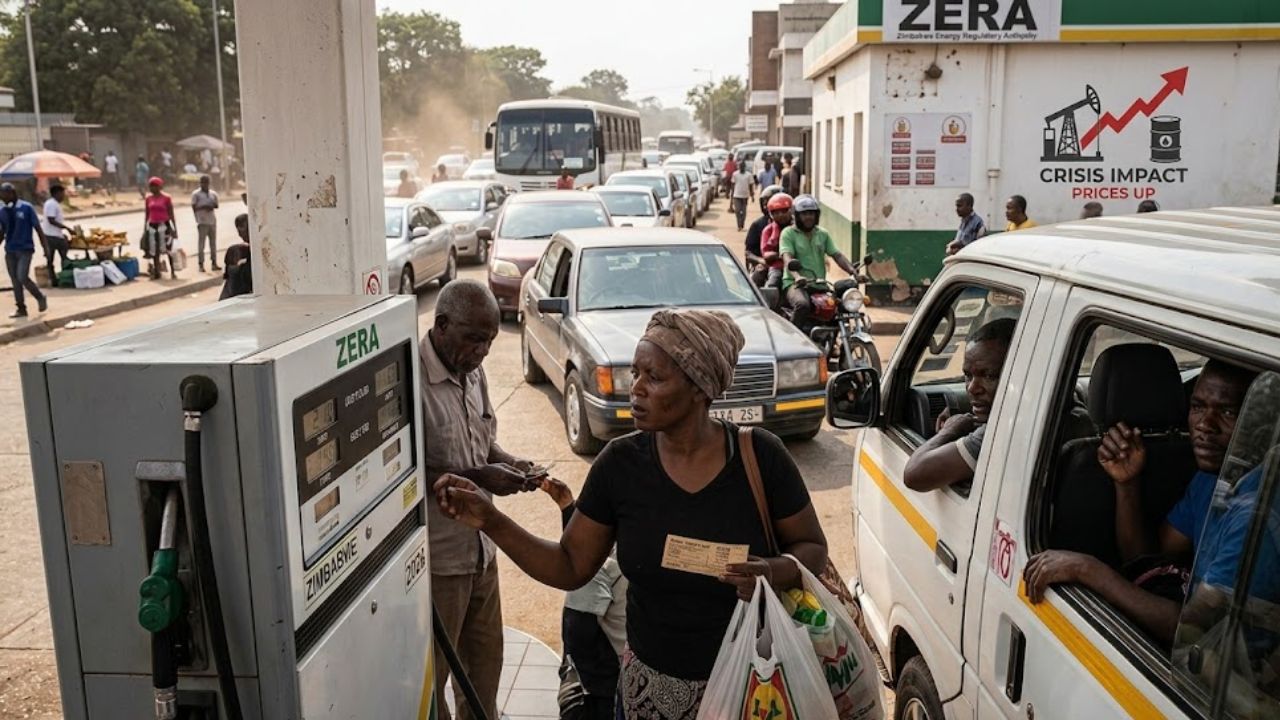
Middle East Crisis Drives Zimbabwe Fuel Price Surge
The connection between the Middle East crisis and Zimbabwe’s fuel price surge highlights how global events can affect local economies. Disruptions in oil supply chains have led to global oil volatility, pushing prices higher worldwide. Zimbabwe, which relies heavily on imported fuel, is especially vulnerable to international supply shocks. As tensions escalate, the cost of crude oil continues to fluctuate, impacting local pricing structures. This has resulted in fuel import challenges for the country, forcing authorities and suppliers to adjust retail prices. Consequently, Zimbabwe’s economy is experiencing external economic pressure, demonstrating how interconnected global markets influence domestic financial stability.
 South Africa Property Trend 2026: Small Town Attracts Growing Number of Millionaire Residents
Economic Effects of Zimbabwe Fuel Price Rise on Inflation
Beyond transport, the Zimbabwe fuel price rise is contributing to broader inflation across multiple sectors. Increased fuel costs raise production and distribution expenses, leading to higher commodity prices in markets nationwide. Businesses are passing on these costs to consumers, triggering cost of living surge that affects food, goods, and services. Small businesses, in particular, struggle to cope with rising operational costs, which may lead to reduced profits or closures. Meanwhile, households are forced to adjust budgets, prioritizing essentials over other needs. This situation fuels inflationary economic trends that could persist if global oil instability continues, placing long-term strain on Zimbabwe’s economy.
Analysis of Zimbabwe Fuel Crisis and Future Outlook
The current fuel crisis in Zimbabwe underscores the importance of diversifying energy sources and strengthening economic resilience. While global factors like geopolitical tensions are beyond national control, local strategies can help mitigate their effects. Investing in alternative energy and improving public transport systems could reduce reliance on imported fuel. Policymakers are now facing energy policy challenges that require immediate and long-term solutions. Additionally, the situation highlights the need for sustainable transport planning to ease pressure on commuters. Without intervention, Zimbabwe risks prolonged economic instability risks, but with strategic planning, there is potential for future energy security and improved financial stability.
| Category | Before Increase (2025) | After Increase (2026) |
|---|---|---|
| Petrol Price (per litre) | $1.45 | $1.75 |
| Diesel Price (per litre) | $1.40 | $1.70 |
| Average Bus Fare | $0.50 | $0.80 |
| Monthly Commute Cost | $30 | $50 |
| Inflation Impact | Moderate | High |
Frequently Asked Questions (FAQs)
1. Why are fuel prices increasing in Zimbabwe in 2026?
The rise is mainly due to global oil price fluctuations caused by the Middle East crisis.
2. How does the fuel price increase affect commuters?

Commuters face higher transport fares and increased daily travel expenses.
3. Will fuel prices continue to rise in Zimbabwe?
Prices may remain unstable depending on global oil supply and geopolitical conditions.
4. What can Zimbabwe do to reduce fuel dependency?
The country can invest in alternative energy and improve public transport systems.